

From Home Equity to Lifestyle Equity: Rethinking Retirement Planning
Retirement planning has traditionally focused on building wealth through homeownership. After decades of mortgage payments, careful maintenance and rising property values, it’s common to reach retirement with a substantial amount of home equity. But here’s an important question: Is that equity working for you? Many retirees find themselves living in homes that represent a significant portion of their net worth while also requiring ongoing investments of time, money and energy. As retirement priorities shift from accumulating assets to enjoying life, some are rethinking how they use their resources. Instead of keeping wealth tied up in a home, they’re exploring ways to convert home equity into what might be called “lifestyle equity” – using those resources to support the retirement they want to live today while preparing for tomorrow. When Home Equity Becomes Underutilized For decades, homeownership has been viewed as a cornerstone of financial security. However, retirement often changes the equation. Many retirees discover they’re maintaining more house than they need. Extra bedrooms sit empty. Yards require ongoing upkeep. Aging homes need repairs, updates and routine maintenance. Property taxes, insurance premiums and utility costs continue to
Future-Proofing Your Retirement: Questions to Ask Before You Invest in Home
For decades, aging in place has been positioned as the default retirement strategy. Surveys consistently show most older adults prefer to remain in their homes. But preference and performance are not the same. The smarter question is not simply “Can I age in place?” it’s “Is aging in place the strongest long-term investment strategy for my capital, liquidity, lifestyle of self-direction, as well as future care needs?” If you approach retirement planning with the same discipline you used in building your portfolio, the conversation shifts. This is no longer an emotional debate about staying put. It becomes an evaluation of asset allocation, risk exposure and long-term value. Below is a strategic comparison of two paths. Path One: Renovate and Remain For many homeowners, the first instinct is to modify the current house to support aging in place. That may include: At first glance, this feels like a contained investment. But consider the full capital picture. 1. Incremental Capital Drain Home renovations rarely occur in a single, predictable phase. They happen

What Does It Cost to Live at Montereau?
When people research retirement communities, their first question is almost always about cost. What is the entrance fee? What is the monthly fee? And most importantly — what do you actually get for the cost? At Montereau, pricing is structured around Life Care and flexible senior living contracts that provide long-term value, predictability and peace of mind. This guide breaks down starting-at pricing, what those numbers include, and how to think about value when comparing your options. Starting Costs for Life Care and Modified Life Care Montereau offers several types of senior living contracts to fit different financial strategies: In both cases, monthly service fees generally begin around $2,874 and above, varying based on residence size, contract type and selected services. These monthly fees cover community services, amenities, maintenance and everyday living support, which we’ll walk through below. What Is Included in Your Monthly Service Fee One of the biggest misconceptions when comparing costs is treating the monthly service fee
Update Your New Years Resolutions to Movement over Getting in Shape: Why Joyful Movement Matters More Than Traditional Exercise in Retirement
January arrives and many of us set a new year resolution focused on getting in shape, losing weight, or sticking to a strict workout routine. But the reality is that these goals don’t always last. Research even shows that 43% of people quit their New Year’s goals by the end of January. For retirees, that statistic is a helpful reminder that traditional fitness resolutions may not be the most realistic — or enjoyable — approach to staying healthy. Instead of setting rigid fitness goals that feel like a chore, retirement offers the perfect opportunity to rethink what movement looks like. Rather than chasing weight loss or muscle gain, focusing on joyful movement can lead to better long-term health, more consistency, and — most importantly — more happiness. Redefining Fitness Goals in Retirement For many older adults, exercise has long been framed as something you have to do. Gyms, timed workouts, and strict schedules can feel intimidating or unenjoyable. That’s one

How to Downsize Like a Museum Curator: Edit, Organize, Display
When most people think about downsizing, they picture boxes, donation piles and the pressure of deciding what stays and what goes. But what if you approached the process the way a museum curator designs an exhibition – thoughtfully, creatively and with an eye for what tells the story of your life? As more Baby Boomers prepare their homes for the spring real estate market, now is the perfect time to shift the mindset from “I have to get rid of all of this stuff” to “I’m curating a collection that reflects who I am and how I want to live.” The museum mindset is calmer, creative and ultimately more empowering. Here’s how to downsize using the same principles curators use to edit, organize, declutter and display attractive collections. 1. Think Like a Curator: Build a Theme for Your Life Collection Every museum exhibition starts with a theme – something that gives shape and purpose to what belongs. Follow the same

Is Your Home Helping or Hindering Your Lifestyle as You Age?
As Baby Boomers look into aging in place, many are rethinking how their homes fit their needs as they get older. According to the 2025 Home Buyers and Sellers Generational Trends Report, Baby Boomers now make up 53% of all home sellers and the top reason they’re listing their homes is simple: the house has become too big, and the upkeep too demanding. That stat begs the question: is your home helping or hindering your lifestyle as you age? For many older adults, the home that once felt “just right” can slowly turn into a source of frustration – stairs that feel steeper, rooms that go unused, and maintenance tasks that take more time and energy than they used to. Before you decide to stay put or move, it’s worth assessing whether your current home can truly support your long-term comfort and independence. Can I Easily Age in Place at My Home? Here are some questions to help you evaluate

Living Solo, Not Alone: How Senior Living Creates Built-In Community
For older adults who are “aging solo,” connection and companionship are keys to living well. Research shows that loneliness can impact both emotional and physical health – but at Montereau in Tulsa, solo agers discover a vibrant community where friendships flourish and every day brings new opportunities to engage, learn, and belong. At Montereau, aging alone doesn’t mean being alone. Residents of this upscale Life Plan Community find that social connection naturally becomes part of their daily rhythm – from joining friends for chef-prepared meals to chatting with neighbors at morning fitness classes or attending on-campus evening concerts. According to the Mather Institute’s AgeWell Study (Year 3), residents of Life Plan Communities report higher levels of happiness and life satisfaction – thanks in large part to the meaningful social interactions these communities foster. The study found that “strong social connections and frequent engagement” were top factors associated with emotional wellness. Connection Comes Naturally At Montereau, it’s easy for solo agers

CCRCs Are for Retirees Looking to Get the Most Out of Life
When you hear the phrase “Continuing Care Retirement Community” (CCRC), you may imagine a place you move into when you begin slowing down. The reality couldn’t be further from the truth. Today’s CCRCs are home to vibrant, independent older adults who stay active, connected and purposeful during retirement. At Montereau, retirement is less about winding down and more about opening doors – doors to new friendships, new hobbies and a lifestyle built for joy. If you’ve been wondering how to find purpose after retirement while still planning for the future, a CCRC might be the answer. What Is a CCRC? A Continuing Care Retirement Community, also called a Life Plan Community, is a senior living community that offers independent living and multiple levels of care on one campus. Residents move in while they are independent and ready to enjoy an array of services and amenities plus the perks of maintenance-free living. That means no more yardwork, household repairs or juggling
How Are 55+ and Independent Living at a CCRC Similar?
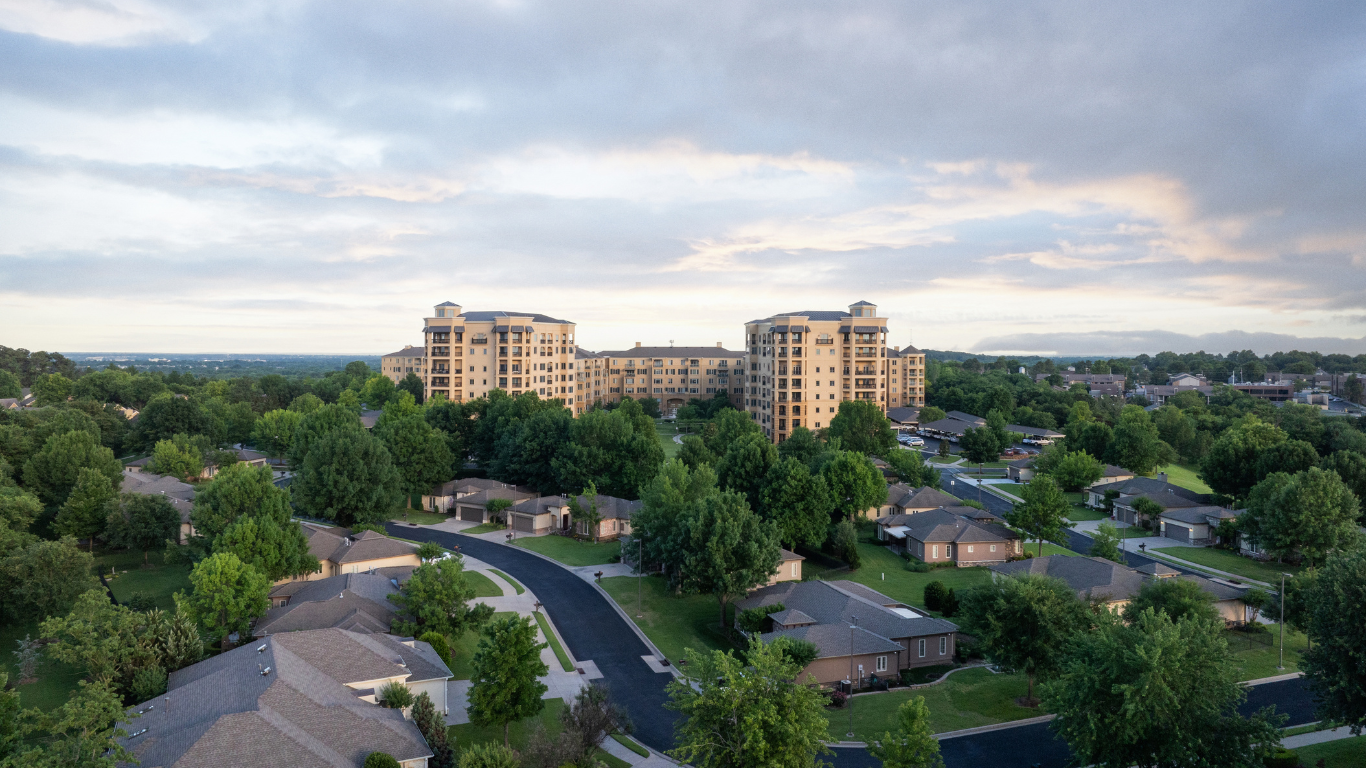
When older adults begin exploring lifestyle options for retirement, the search often starts with 55+ communities. These neighborhoods are popular for their age restrictions, low-maintenance living and active social scenes. But here’s something many people don’t realize: independent living at a continuing care retirement community (CCRC) – also called Life Plan Communities – shares many of the same benefits. What Is Independent Living? For those unfamiliar with independent living, it’s a residential option designed for active seniors who want to enjoy maintenance-free living, resort-style amenities and built-in opportunities for connection – without the responsibilities of homeownership. While CCRCs also provide access to higher levels of care if needed later, the independent living lifestyle is all about convenience, engagement and freedom, much like a 55+ community. What Are 55+ Communities? 55+ communities are age-restricted neighborhoods where at least one resident must be over 55. They’re designed for active seniors who are still fully independent but want to enjoy a simpler lifestyle
What Is the Difference Between a For-Profit and Not-for-Profit Senior Living Community?
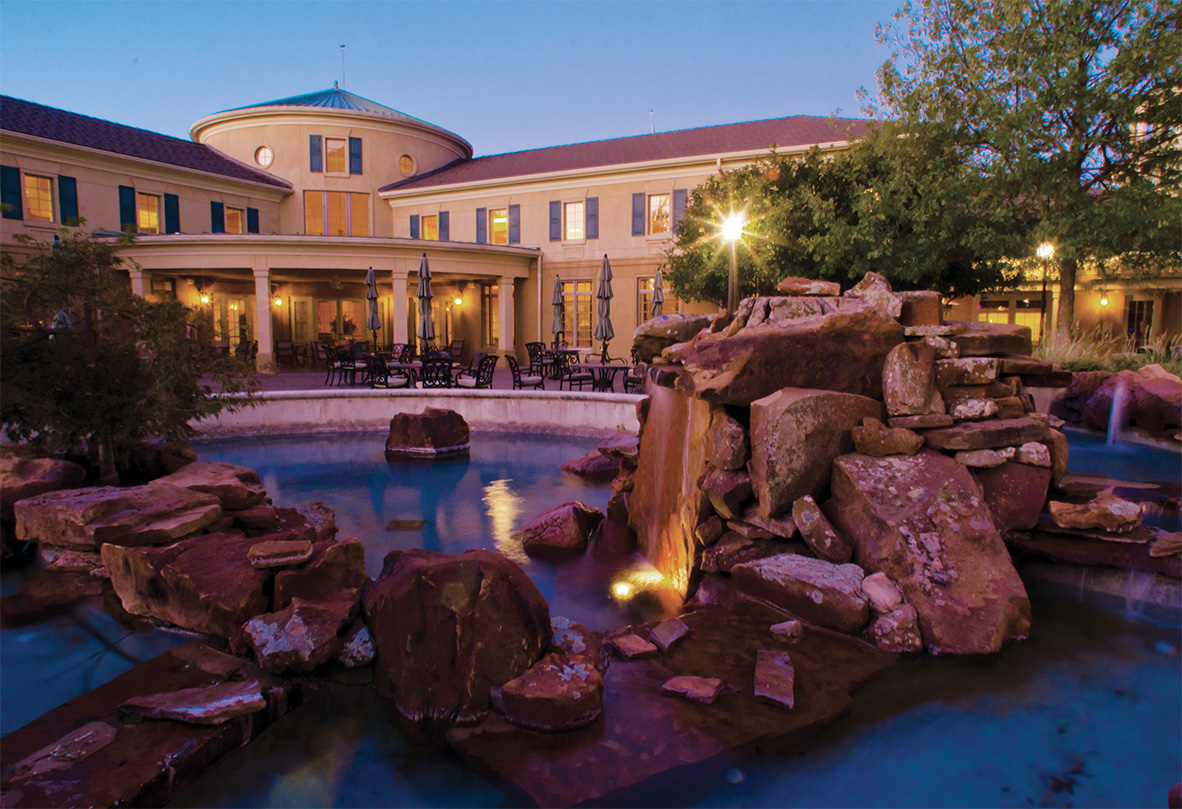
As you begin exploring retirement options, you’ll likely notice different types of ownership and operational structures – specifically, whether a senior living community is for-profit, nonprofit or not-for-profit. These terms reflect key differences in how communities are funded, managed and focused – and understanding those differences can help you choose a retirement community that aligns with your values, expectations and goals for the future. What Is a Not-for-Profit Senior Living Community? A not-for-profit senior living community is typically mission-based, meaning its primary goal is to serve its residents, not generate profit. Any surplus revenue is reinvested in the community itself, financing enhancements to wellness programs, staffing, services and amenities. These communities are often governed by a board of directors and follow a long-term strategic vision focused on stability, innovation and, most important, quality of life for residents. Montereau is a not-for-profit community. This approach enables us to prioritize resident well-being through what we call the Montereau Advantage: a purpose-driven lifestyle