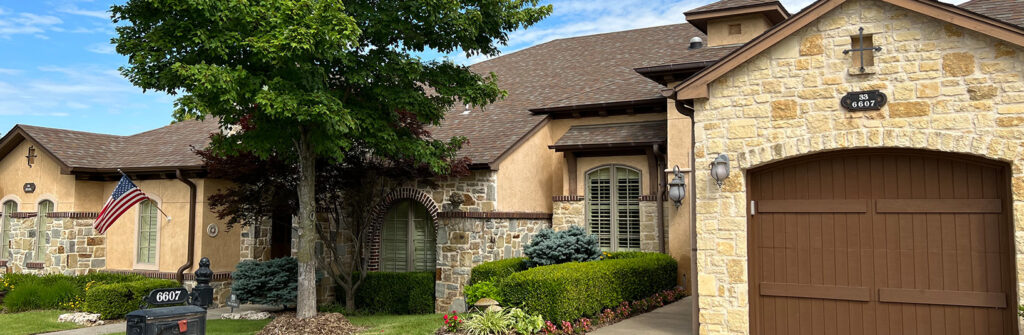
For decades, aging in place has been positioned as the default retirement strategy. Surveys consistently show most older adults prefer to remain in their homes. But preference and performance are not the same.
The smarter question is not simply “Can I age in place?” it’s “Is aging in place the strongest long-term investment strategy for my capital, liquidity, lifestyle of self-direction, as well as future care needs?”
If you approach retirement planning with the same discipline you used in building your portfolio, the conversation shifts. This is no longer an emotional debate about staying put. It becomes an evaluation of asset allocation, risk exposure and long-term value.
Below is a strategic comparison of two paths.
Path One: Renovate and Remain
For many homeowners, the first instinct is to modify the current house to support aging in place. That may include:
- Zero-entry showers
- Widened doorways
- Stair lifts or elevators
- Smart-home monitoring systems
- Kitchen reconfigurations
- Generator installation
- Roofing, HVAC and infrastructure updates
At first glance, this feels like a contained investment. But consider the full capital picture.
1. Incremental Capital Drain
Home renovations rarely occur in a single, predictable phase. They happen in response to emerging needs. Accessibility upgrades are followed by appliance replacements, foundation repairs, insurance premium increases or property tax adjustments.
The question becomes: What should I look at/do for aging in place?
The answer is often: more than originally budgeted.
2. Illiquidity Risk
Capital tied up in renovations remains illiquid. You may improve usability for yourself, but you do not necessarily increase resale value proportionally. Meanwhile, real estate markets fluctuate, and timing becomes unpredictable.
3. Care Layering Costs
A house can be modified. It cannot provide care.
Eventually, in-home services are layered on:
- Hourly private duty care
- Medication management
- Transportation support
- Meal services
These are recurring operational expenses, not one-time capital improvements. Over time, they compound.
4. Forced-Move Exposure
The greatest financial vulnerability occurs after a health event. A fall, hospitalization or cognitive diagnosis can trigger an urgent transition. Urgency erodes negotiating power, compresses timelines and often increases cost.
The “least expensive for now” approach is not always the lowest-risk strategy over 10–15 years.
Path Two: Reallocate the Asset
The alternative strategy reframes the primary residence not as a forever home, but as a mature asset ready for reallocation.
Rather than continuing to fund an aging structure, you reposition that equity into a purpose-built residence designed for lifelong aging in place that allows you to enjoy your accustomed quality of life.
At Montereau, the value proposition operates differently than a traditional housing decision. It functions more like an investment thesis.
1. Built-In Infrastructure
Residences are designed for accessibility, safety and adaptability. You are not retrofitting. You are acquiring infrastructure already optimized for longevity.
2. Continuum as Risk Mitigation
A Life Plan Community structure reduces exposure to unpredictable costs for future care. Independent living, assisted living, memory support and higher levels of care exist within a single ecosystem and on a single campus.
That continuity protects against the financial shock and emotional stress of a reactive move.
3. Predictable Cost Modeling
Rather than layering unpredictable renovation costs and service fees, expenses at a Life Plan Community like Montereau are structured and transparent. This supports stronger long-term forecasting — a core principle of intelligent retirement planning.
4. Market Timing Advantage
Selling a home proactively — rather than under need-based pressure — protects negotiating leverage. It allows strategic timing instead of forced liquidation.
The Strategic Questions to Ask
Before committing additional capital to home modification, consider:
- What is the 10-year projected cost of renovations plus in-home care layering?
- How liquid is my home equity in a volatile market?
- If I experience a health disruption next year, what is my contingency plan?
- Am I investing in infrastructure — or patchwork?
- Does my current property appreciate at a rate that justifies continued capital infusion?
The question is no longer simply “Can I age in place?”
It becomes “Where is aging in place most effectively executed?”
Value, Not Just Preference
There is a difference between comfort and strategy.
Remaining in a long-time home may feel familiar. But familiarity does not inherently equal asset protection.
A residence at Montereau represents a reallocation of capital into a community engineered for long-term stability, strong occupancy, comprehensive amenities and a continuum designed to absorb future care variables.
This is not a lifestyle compromise. It is a forward-looking investment decision.
The most sophisticated retirement plan weighs:
- Asset preservation
- Liquidity management
- Risk diversification
- Operational predictability
- Data-based predictions for long-term care
- Exit strategy
When evaluated through that lens, the conversation about aging in place evolves from renovation math to portfolio strategy.
The Intelligent Choice
If you are considering substantial renovations to remain at home, pause before deploying additional capital.
Run the long-term model.
Compare cumulative renovation and care costs against reallocating that asset into a residence intentionally built for successful aging in place within a secure, managed environment.
Our beautiful residences are ready for you to age in place successfully — and they represent a smart, forward-thinking investment in your next chapter.
To explore the numbers, the structure and the long-term value proposition, schedule a private consultation with Montereau today.